
How to Treat Mouth Ulcers: Understanding the Causes and Finding Relief
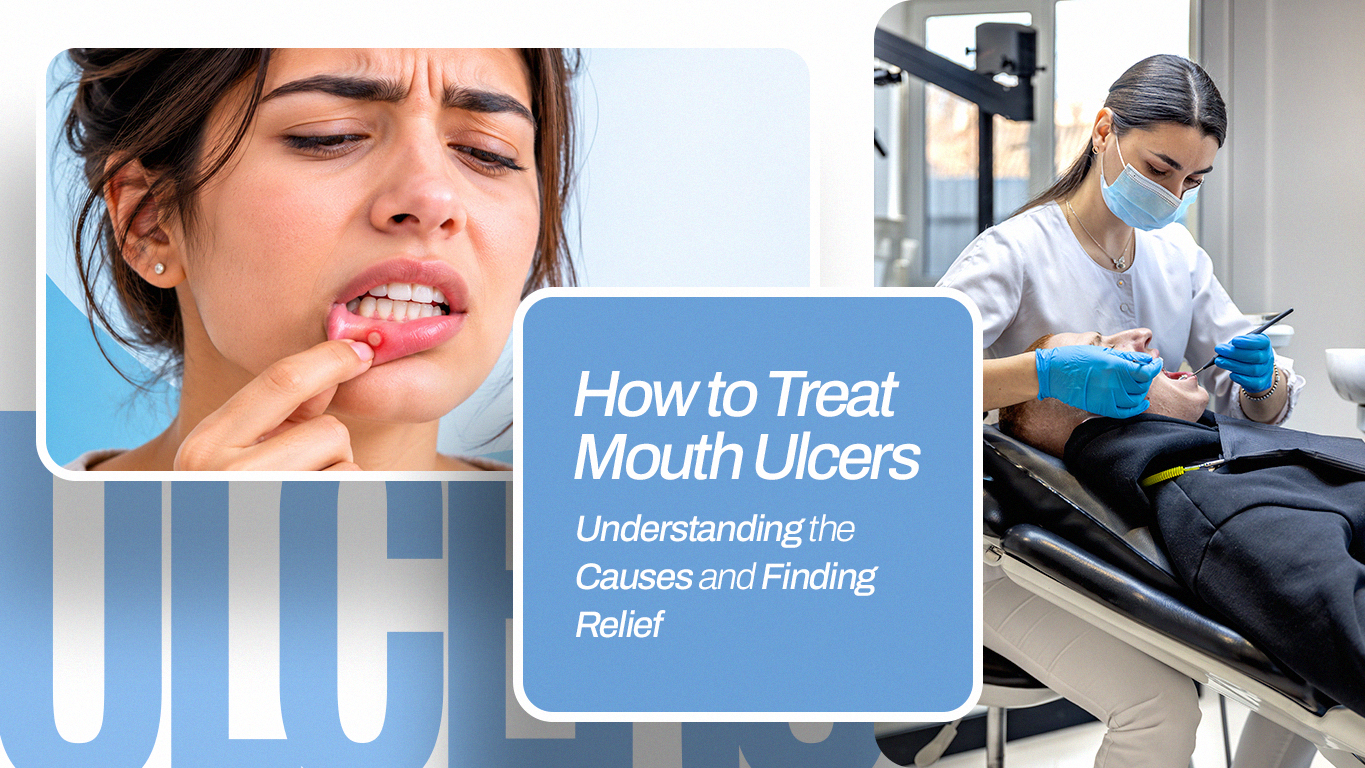
Mouth ulcers can turn eating, speaking and cleaning your teeth into a chore. Whilst mouth ulcers are a common occurrence they are usually nothing to worry about. Knowing how to treat them will help you relieve any discomfort they cause, encourage healing and know when they need to be seen by a professional. In this article we will discuss what mouth ulcers are, the common question, “what is the reason for mouth ulcer flare-ups?” and share some practical mouth ulcer treatments.
What are Mouth Ulcers?
Mouth ulcers are shallow open sores which develop on the soft tissues in your mouth. This includes the inside of your cheeks, lips, tongue, gums and bottom of your mouth. The most common type is known as an aphthous ulcer or canker sore and usually present as round or oval sores with a white/yellow/grey centre and red inflamed edge. Most are small (under one cm) and will heal within 1-2 weeks without scarring.
Unlike cold sores, mouth ulcers are not infectious. Cold sores are caused by the herpes simplex virus and are usually found on the outside of the lips.
What Is the Reason for Mouth Ulcer Flare-Ups?
When it comes to mouth ulcers, there are rarely one or two answers to the question, “what is the cause of mouth ulcer outbreaks? In many cases, the mouth ulcer cause remains unknown, but there are a few common causes:
- Minor trauma – damage to the inside of the mouth can be caused by biting the cheek or brushing/rubbing too hard with braces, dentures or a sharp tooth.
- Stress and tiredness – ulcers can be caused by stress/tiredness.
- Hormonal fluctuations – some women get ulcers associated with their menstrual cycle.
- Nutritional deficiencies – recurrent ulcers have been associated with deficiencies of iron, vitamin B12, folate and/or zinc.
- Food intolerance – citrus fruits, tomatoes, chocolate and coffee can be acidic/spicy for some people and can irritate/pre-dispose to forming sores.
- Some toothpastes – toothpastes that contain sodium lauryl sulphate (SLS) can cause ulcers. SLS is a common foaming agent used in many toothpastes. This can cause ulcers in sensitive individuals.
- Underlying medical problems – sometimes frequent and severe ulcers can be associated with coeliac disease, inflammatory bowel disease, a suppressed immune system or specific drugs.
When you are aware of what is causing the mouth ulcers in your mouth, you will be aware of how to prevent them in future. Maintaining a simple diary of the occurrence of ulcers can help determine patterns.
How to Treat Mouth Ulcers at Home?
Most canker sores will heal themselves but here are some simple tips to help reduce the pain.
Rinse with salt water
Take half a teaspoon of salt and add to a glass of hot water. Swish round your mouth for 30 seconds then spit out. Do this a few times throughout the day to allow the area to stay clean and reduce inflammation.
Use over the counter products
Your pharmacist can give you advice on the various treatments. They can include protective gels and pastes that go over the canker sore, numbing gels to help with the pain and antiseptic mouthwashes. Always read the label, not all products are suitable for young children.
Brush gently
Use a soft toothbrush to brush around the canker sore. If you think your toothpaste may be causing this, use a toothpaste that does not contain SLS.
Watch what you eat/drink
Avoid eating anything hot, spicy, salty, acidic or crunchy. Try eating soft foods such as yoghurt, porridge and smoothies. Also try drinking using a straw.
When to visit dentist due to a mouth ulcer
While it’s useful to know how to deal with mouth ulcers at home, it’s important to remember that some mouth ulcers may require a professional evaluation. If you notice any of the following, see your dentist or GP:
- An ulcer that lasts for more than 3 weeks
- Ulcers return or occur in clusters
- A sore that is larger than usual, extremely painful or growing in size
- An ulcer does not heal and is painless
- You have a fever, swollen glands or feel generally unwell.
- You have trouble eating or drinking food
Sometimes a non-healing ulcer may indicate a more serious problem such as oral cancer, so always have it checked. Your dentist can also diagnose any dental problems such as sharp tooth, broken filling or ill-fitting dentures and get to their root cause. In case your mouth ulcers are very stubborn, they can prescribe a more powerful mouth ulcer treatment, or check your blood on deficiencies.
Is it possible to prevent mouth ulcers?
Whilst you might not be able to avoid getting any ulcers, you could reduce how often they occur. To aid this, keep your mouth clean. Take time to chew your food carefully to prevent biting your cheek. Visit your dentist regularly and avoid eating foods which you know cause your sores. If you wear braces or dentures speak to your dentist about using some orthodontic wax or an adjustment to prevent rubbing.
Conclusion
Mouth ulcers are common, but you don’t have to endure persistent pain and worry. The friendly team at Springvale Dental Clinic is here to help if you are suffering from an ulcer that won’t heal, is recurring or is causing difficulty in eating and speaking. We will be able to determine the probable cause of your mouth ulcers and prescribe the appropriate treatment, allowing you to enjoy your food without the discomfort of mouth ulcers. Schedule an appointment with Springvale Dental Clinic today and make the first step towards a healthier, more comfortable smile.