Tooth pain, particularly in the molars, can be an excruciating experience that disrupts daily life. When that dull ache or sharp pain strikes in the back of your mouth, it demands attention and often signals an underlying issue that requires care. Understanding the causes, symptoms, and treatment options for molar pain can help you address the problem effectively and prevent future occurrences.
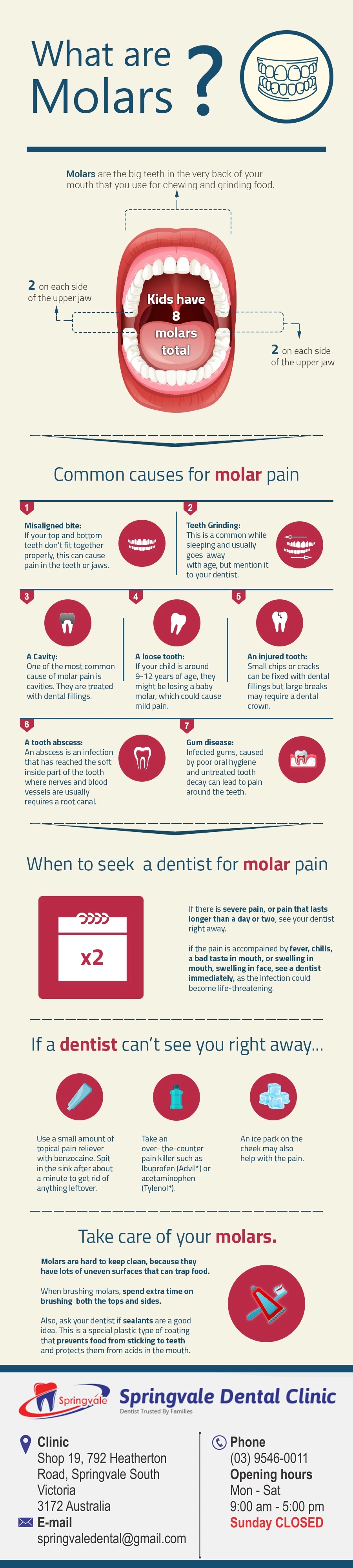
Molars are large, flat teeth at the back of your mouth. Adults typically have 12 molars - including four wisdom teeth - with three on each side of the upper and lower jaws. These powerful teeth are designed for grinding and chewing food, making them essential for proper digestion. Their broad surface and multiple roots make them sturdy and susceptible to various issues that can cause pain.
Molar pain can stem from several dental conditions:
Tooth Decay: The most frequent cause of molar pain is cavities. Molars are particularly vulnerable to decay due to their location and grooved surfaces that can trap food particles and bacteria.
Cracked Tooth: Molars endure significant pressure during chewing. This pressure, combined with teeth grinding (bruxism) or biting complex objects, can cause cracks that expose sensitive inner layers.
Impacted Wisdom Teeth: When wisdom teeth don't have enough room to emerge properly, they can become affected, pushing against adjacent teeth and causing pain.
Gum Disease: Periodontal infections can affect the tissues surrounding molars, leading to inflammation, recession, and pain.
Abscess: A bacterial infection at the root of a molar can create a pocket of pus, resulting in severe pain, swelling, and sensitivity.
Sensitive Teeth: Worn enamel or receding gums can expose the dentin layer of molars, making them sensitive to temperature changes.
Teeth Grinding: Habitual grinding or clenching, often occurring during sleep, puts excessive pressure on the molars and can cause pain.
Molar issues often present with additional symptoms:
While waiting for professional dental care, these measures may provide temporary relief:
However, remember that these remedies address symptoms, not underlying causes.
The appropriate treatment depends on the specific cause:
Fillings:, Your dentist will remove the decayed portion and fill the space with a durable material for cavities.
Root Canal Therapy:, When infection or inflammation reaches the tooth pulp, this procedure removes the damaged tissue and seals the tooth.
Dental Crown:, A severely damaged molar may require a crown to restore function and prevent further damage.
Extraction:, In cases of severe decay, fracture, or impacted wisdom teeth, extraction may be necessary.
Periodontal Treatment:, Professional cleaning, scaling, and root planing can address gum disease affecting molars.
Night Guard:, For bruxism, a custom-fitted mouth guard can prevent further damage from grinding.
Prevent molar pain with these good practices:
While temporary relief measures help, certain situations require immediate professional attention:
Delaying treatment can lead to more serious complications and potentially more invasive and expensive procedures.
Molar pain is never normal and always indicates an issue requiring attention. Early intervention is key to preventing more serious dental problems. At Springvale Dental Clinic, we specialize in diagnosing and treating all types of molar pain with compassionate, state-of-the-art care.
Our experienced team offers comprehensive dental services for the entire family, from preventive care to advanced treatments for complex dental issues. We understand that dental pain can be distressing, so we're committed to providing prompt care in a comfortable environment.
For dental concerns, including molar pain, visit Shop 22, 792 Heatherton Road, Springvale South Victoria 3172, Australia. We're conveniently open seven days a week from 9 am to 5 pm to accommodate your busy schedule. Don't let molar pain impact your quality of life – contact Springvale Dental Clinic today for expert dental care.