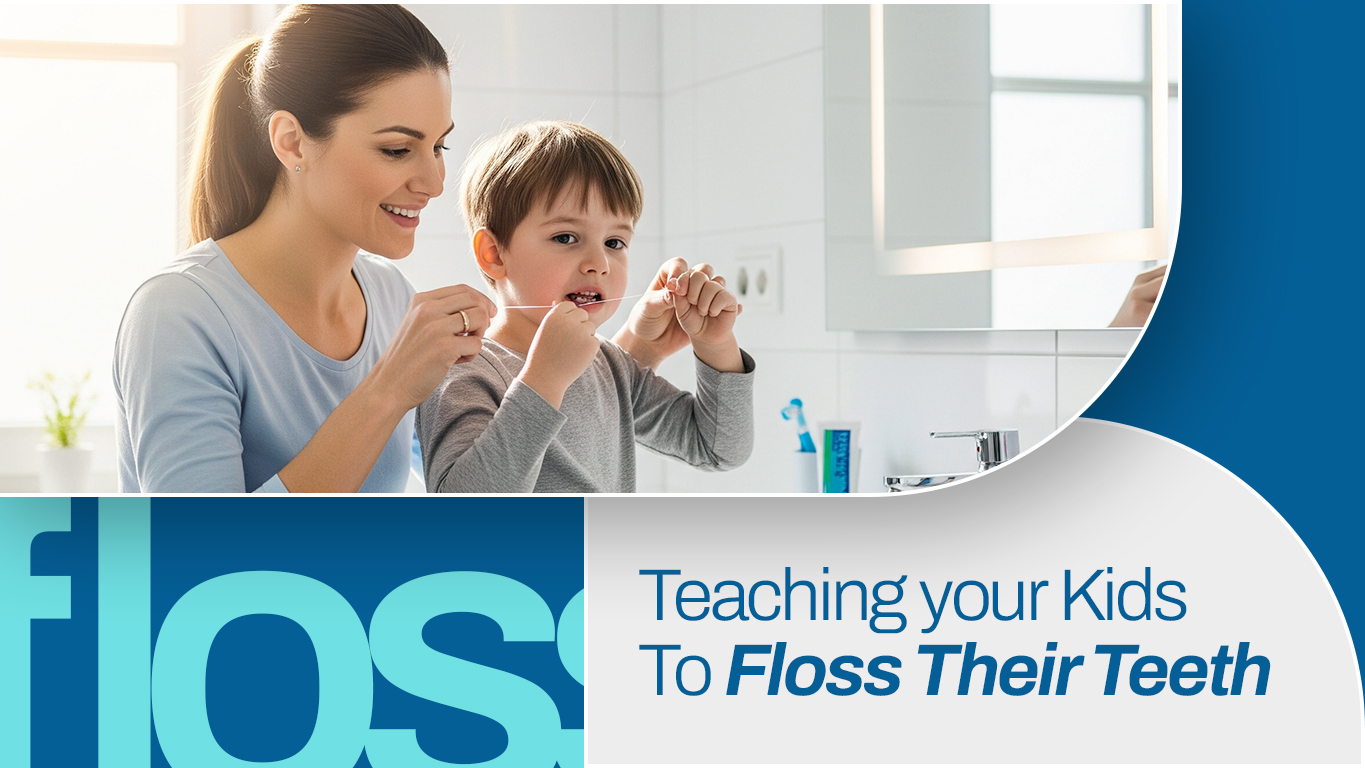
Teaching your children good oral hygiene habits early in life sets them up for a lifetime of healthy smiles. While brushing often gets all the attention, flossing is equally important but frequently overlooked. Many parents find teaching their kids to floss challenging, but it can become an enjoyable part of their daily routine with the right approach.
Even with thorough brushing, toothbrushes can't reach between teeth where food particles and plaque hide. These hidden spaces comprise nearly 40% of your child's tooth surfaces! When left uncleaned, these areas become breeding grounds for bacteria that cause cavities and gum disease.
Starting the flossing habit young helps children understand its importance and makes it more likely they'll continue this healthy habit into adulthood. Plus, healthy baby teeth guide permanent teeth into position, making proper care essential for their future smile.
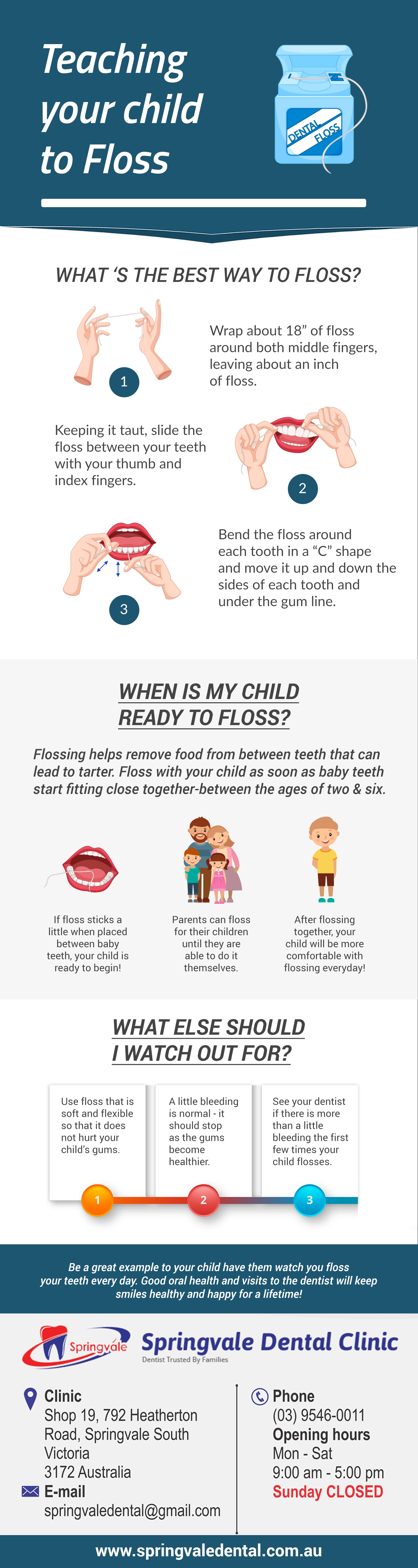
Most dental professionals recommend introducing flossing once your child has two teeth that touch—typically around age 2-3. However, at this age, children lack the manual dexterity to floss effectively on their own.
Until about age 8-10, parents should assist their children with flossing. This doesn't mean you can't start teaching them earlier! Around age 5-6, you can begin demonstrating and helping them practice while ensuring you finish the job correctly.
Children respond best to learning when presented as fun rather than a chore. Try these engaging approaches:
Teaching the proper technique from the start prevents bad habits. Here's a simple approach for children:
Floss picks, or holders can make the process easier for younger children or beginners until they develop better coordinati
Many parents encounter resistance when teaching flossing. Here's how to address common issues:
Consistency is key to developing any habit. Establish flossing as a non-negotiable part of your child's daily routine:
While teaching flossing at home is essential, professional dental visits play a crucial role, too. Your dentist can:
Springvale Dental Clinic is committed to helping families establish excellent oral hygiene habits from the earliest years. Our friendly team specializes in making dental care comfortable and fun for children of all ages.
We can demonstrate proper flossing techniques tailored to your child's needs and dental development. Plus, our regular check-ups help ensure their oral health stays on track as they grow.
For personalized guidance on teaching your children good oral hygiene habits or other dental concerns, visit Shop 22, 792 Heatherton Road, Springvale South Victoria 3172. We're conveniently open seven days a week from 9 am to 5 pm, making scheduling appointments around your busy family life easy.
Start your child's journey to excellent oral health today—their future smile depends on it!