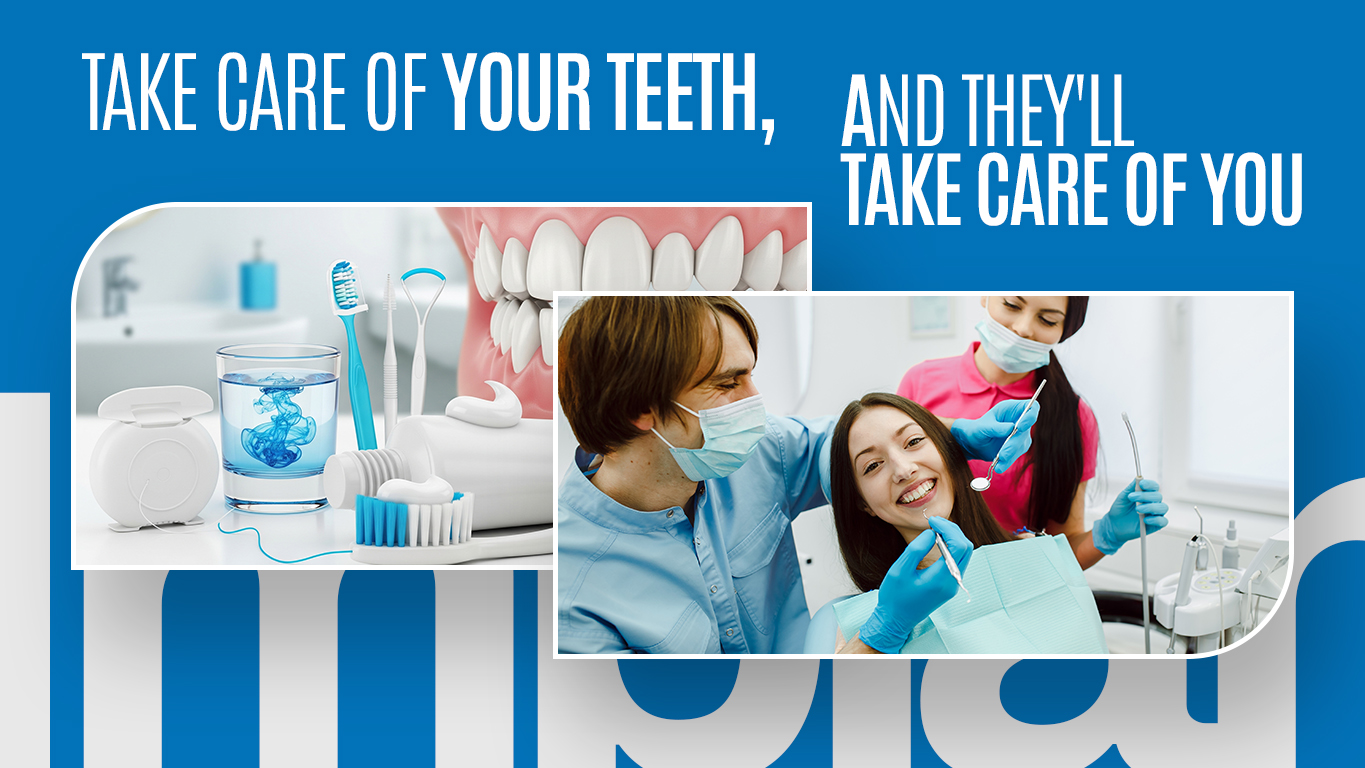
Your smile is often the first thing people notice about you. Beyond aesthetics, your oral health is crucial to your overall well-being. The old saying, "Take care of your teeth, and they'll take care of you,” holds more truth than many realize. Good dental health can prevent many problems, from obvious toothaches and cavities to severe conditions affecting your entire body.
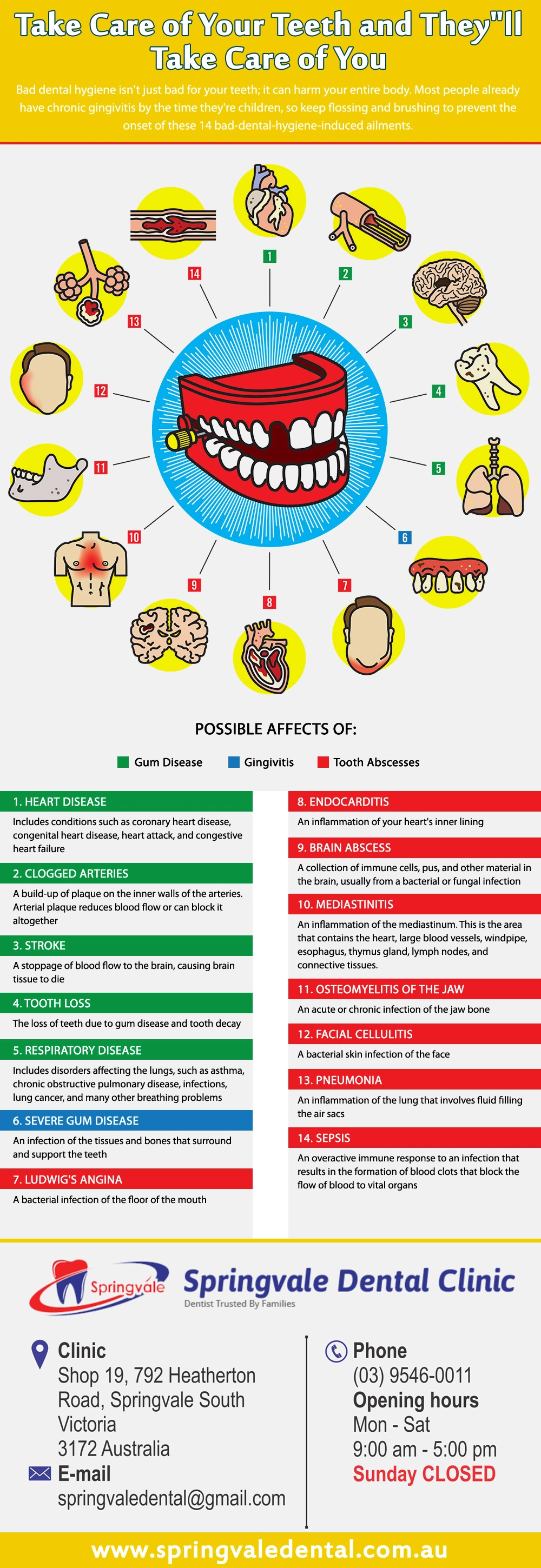
Many people don't realize that oral and general health are deeply interconnected. Poor dental hygiene doesn't just lead to cavities; it can contribute to severe health conditions like heart disease, diabetes complications, and respiratory infections. The bacteria that thrive in an unhealthy mouth can enter your bloodstream, potentially affecting other body parts.
Research has shown links between gum disease and heart problems, with inflammation being a common factor. Pregnant women with poor oral health may face higher risks of premature birth and low birth weight babies. For people with diabetes, gum disease can make blood sugar control more difficult, creating a troubling cycle.
Establishing good oral hygiene habits doesn't require complicated routines or expensive products. The basics remain the foundation of dental health:
These simple habits can prevent most common dental problems before they start. Consistency is key—occasional thorough cleaning doesn't compensate for daily neglect.
What you eat affects your teeth as much as how you clean them. A balanced diet benefits your entire body, including your oral health:
Equally important is knowing what to limit. Sugary foods and drinks feed the bacteria that produce cavity-causing acids. Acidic beverages like soft drinks and certain fruit juices can erode enamel directly. Healthy foods like citrus fruits should be consumed as part of meals rather than alone to minimize acid exposure.
Even the most diligent home care can't replace professional dental examinations. Regular check-ups allow dentists to:
Most dental professionals recommend visits every six months, though some conditions may warrant more frequent appointments. These routine examinations are investments in your health that can save considerable discomfort and expense.
Many people avoid dental visits due to anxiety or concerns about cost. However, postponing care typically leads to more complex and expensive treatments later. Modern dentistry offers numerous options for anxious patients, from mild sedation to distraction techniques.
Many practices offer payment plans or preventive care packages for those concerned about affordability. Remember that prevention is almost always less expensive than treatment—regular cleanings cost far less than root canals or implants.
Children who develop good oral hygiene habits early tend to maintain them throughout life. Parents should:
Children who grow up understanding the importance of dental health are more likely to prioritize it as adults.
At Springvale Dental Clinic, we believe in empowering our patients through education and preventive care. Our team is committed to helping you maintain optimal oral health in a comfortable, supportive environment. From routine cleanings to advanced restorative procedures, we provide comprehensive care for patients of all ages.
Our modern facility is located at Shop 22, 792 Heatherton Road, Springvale South Victoria 3172, equipped with the latest dental technology. We're proud to serve our community with convenient hours seven days a week, from 9 am to 5 pm. This accessibility ensures that even the busiest individuals can prioritize their dental health.
Remember, your teeth can last a lifetime with proper care. Take care of them, and they'll certainly take care of you. Contact Springvale Dental Clinic today to schedule your next appointment and take an essential step toward better health.