
Having your wisdom teeth removed is a standard dental procedure many people undergo. While the extraction itself is performed under anesthesia, the recovery period can involve some discomfort, with facial swelling being one of the most noticeable side effects. The good news is that this swelling after wisdom tooth removal is normal and can be effectively managed. Here's a comprehensive guide to help you reduce swelling after wisdom tooth extraction and ensure a smoother recovery.
Swelling is your body's natural response to surgery. When tissue is disturbed during extraction, your immune system sends extra blood and white blood cells to the area to promote healing. This increased blood flow causes the tissues to swell temporarily.
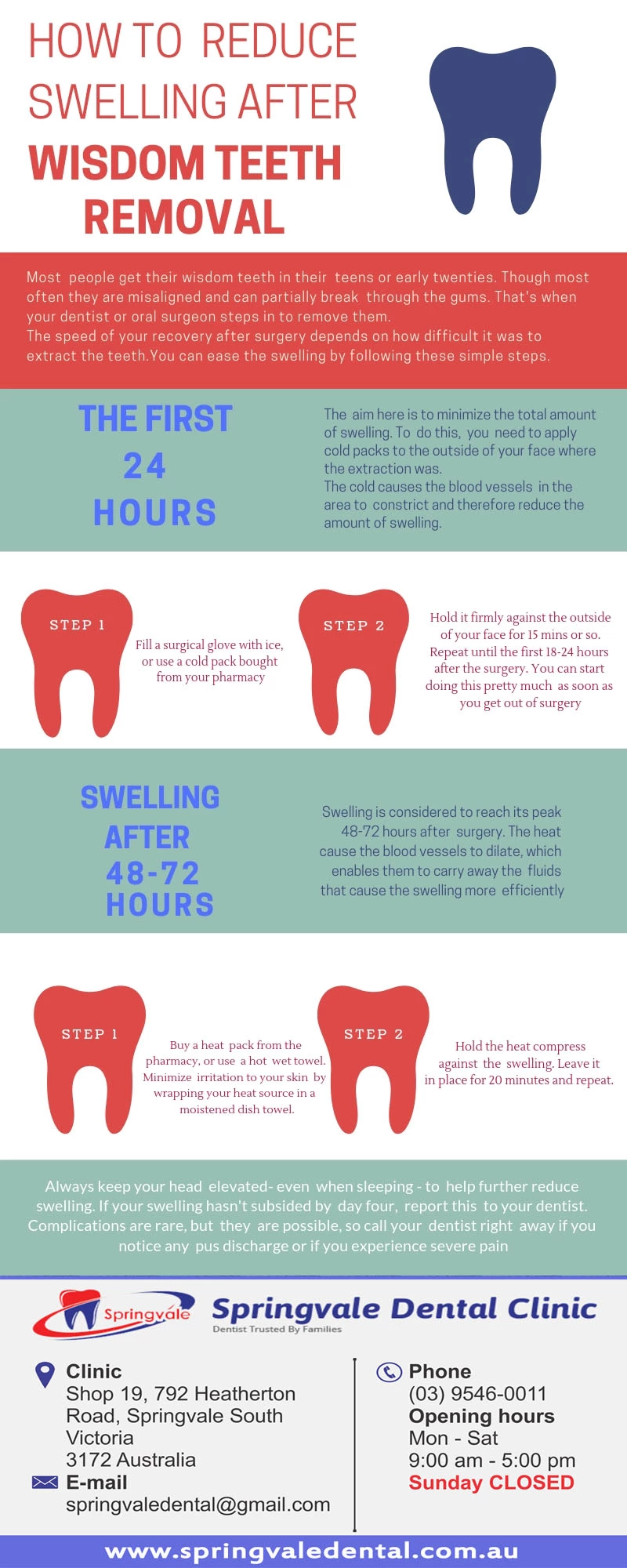
Typically, swelling begins within the first 24 hours after surgery, peaks around the 48-72 hour mark, and gradually subside over the following days. While you can't prevent swelling entirely, there are several effective strategies to minimize it and make your recovery more comfortable.
One of the most effective immediate remedies for post-extraction swelling is the application of cold compresses or ice packs.
This cold therapy works by constricting blood vessels, which reduces blood flow to the area and limits the inflammatory response. Always wrap ice packs in a thin towel or cloth to protect your skin from direct contact with ice.
Following your dentist's instructions regarding medication is crucial for managing both swelling and discomfort:
Medication timing is essential—taking anti-inflammatory medication before the anesthesia wears off can help get ahead of both pain and swelling.
What you eat during recovery can significantly impact swelling:
Proper nutrition supports your body's healing process while minimizing irritation to the surgical site.
Your sleeping position can either help reduce swelling or make it worse:
Gravity helps prevent blood from pooling in the facial tissues, which can significantly reduce swelling.
After the first 24 hours have passed, gentle salt water rinses can be beneficial:
These rinses help keep the area clean while promoting healing and reducing inflammation.
During your recovery period:
Physical rest allows your body to direct energy toward healing rather than other activities.
While some swelling is typical, sure signs warrant immediate professional attention:
These could indicate infection or other complications requiring prompt treatment.
The expertise and care you receive before, during, and after your wisdom tooth extraction significantly impacts your recovery experience. At Springvale Dental Clinic , our experienced team specializes in comfortable wisdom tooth extractions with comprehensive aftercare support.
Our dental professionals are available seven days a week, from 9 am to 5 pm, to address any concerns during your recovery. Whether you need pre-surgical consultation, the extraction procedure itself, or post-operative care, our conveniently located clinic at Shop 22, 792 Heatherton Road, Springvale South Victoria 3172, is ready to provide the highest standard of dental care.
Remember that while these tips can help minimize swelling, everyone's healing process is unique. Following your dentist's specific instructions, combined with these general guidelines, will help ensure the smoothest possible recovery after your wisdom tooth extraction.