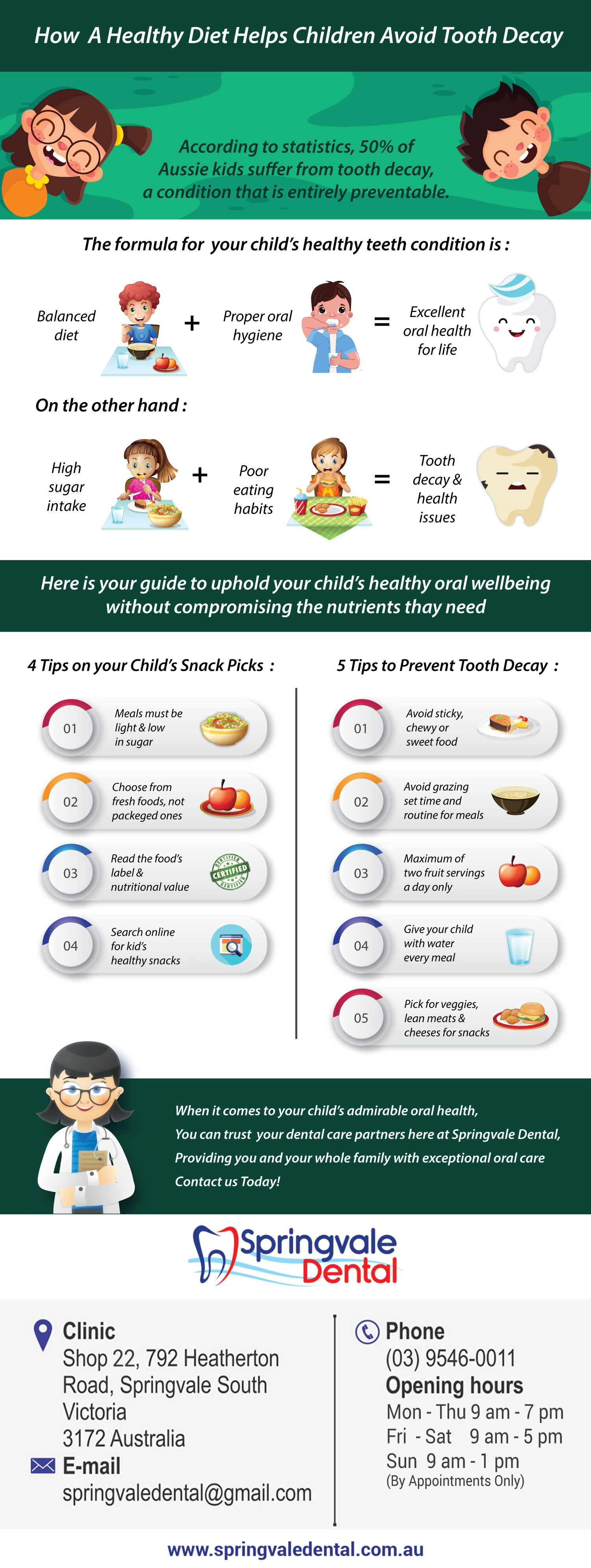
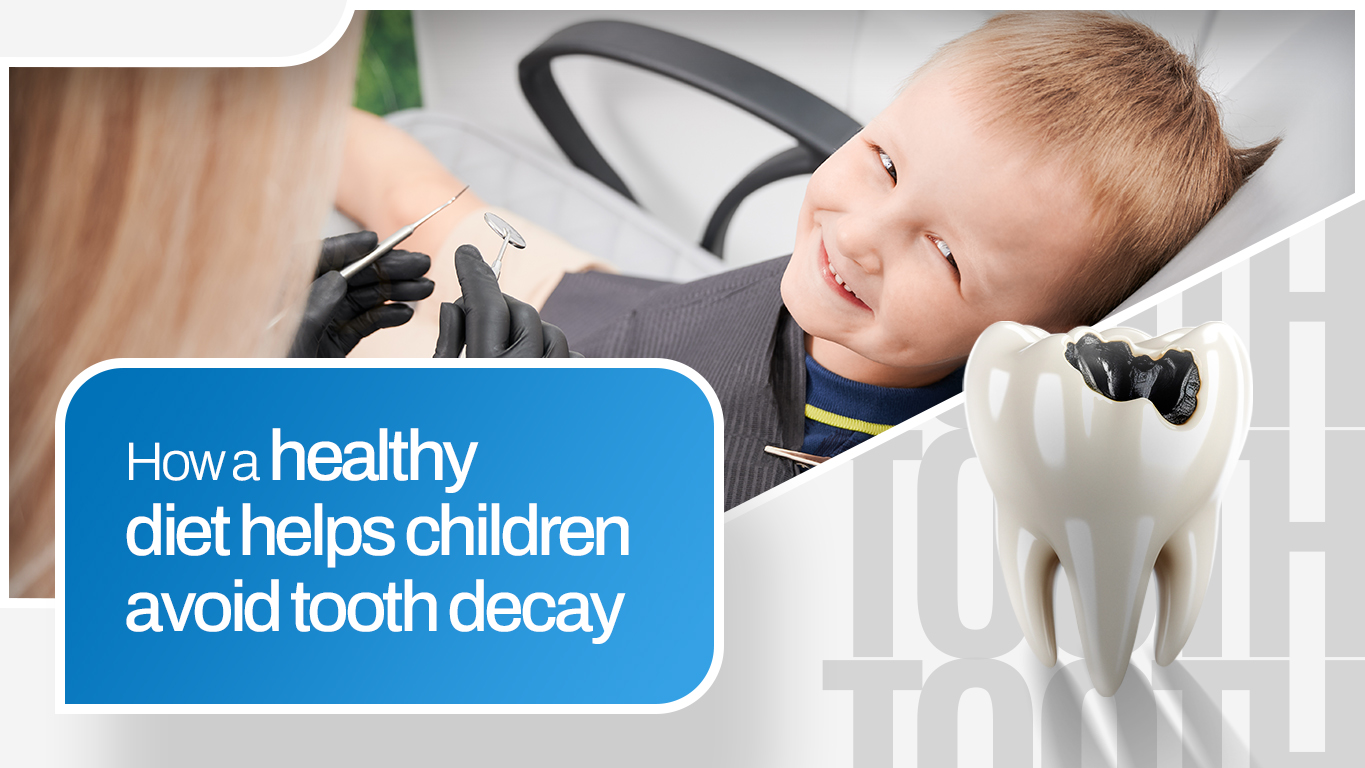
How A Healthy Diet Helps Children Avoid Tooth Decay
Tooth decay remains one of the most common chronic childhood diseases worldwide, affecting millions yearly. Despite being largely preventable, dental caries can cause pain, infections, and difficulties with eating, speaking, and learning. The good news? A healthy diet is crucial in preventing tooth decay and promoting strong dental health in children. As parents, understanding this connection can make all the difference in your child's smile.
Understanding Tooth Decay in Children
Tooth decay occurs when bacteria in the mouth convert sugars from food into acids that attack tooth enamel. Children are particularly vulnerable to decay because their developing enamel is softer and more susceptible to acid damage. When these acids repeatedly attack the teeth, they break down the minerals in the enamel, eventually creating cavities.
The process begins with plaque—a sticky film of bacteria that constantly forms on teeth. Each time your child consumes sugary or starchy foods, the bacteria feast on these carbohydrates, producing harmful acids for up to 20 minutes after eating. This cycle can quickly lead to cavities without proper oral hygiene and dietary management.
Foods and Drinks That Contribute to Tooth Decay
Understanding which foods pose the most significant risk is the first step in prevention:
- Sugary foods and drinks: Lollies, chocolate, cakes, cookies, and sugary beverages like soft drinks and fruit juices are major culprits. These items provide quick fuel for bacteria and accelerate acid production. Surprisingly, many "healthy" packaged snacks marketed for children contain hidden sugars that can contribute to decay.
- Sticky foods: Items like dried fruits, chewy lollies, and even some granola bars cling to teeth longer, giving bacteria extended opportunities to produce acids.
- Acidic foods and drinks: Citrus fruits, sports drinks, and fruit juices can directly erode tooth enamel, making teeth more vulnerable to decay.
- Starchy foods: White bread, chips, crackers, and pasta break down into simple sugars in the mouth, potentially feeding decay-causing bacteria.
Tooth-Friendly Foods That Promote Dental Health
Fortunately, many delicious foods help protect children's teeth:
- Calcium-rich foods: Dairy products like milk, cheese, and yogurt strengthen tooth enamel and jawbones. Cheese is particularly beneficial as it increases saliva production, which helps neutralize acids and remineralize teeth.
- Crunchy fruits and vegetables: Apples, carrots, celery, and cucumbers stimulate saliva flow and gently scrub teeth surfaces while eating. Their high water and fiber content dilutes sugars and helps clean teeth.
- Phosphorus-rich foods: Eggs, lean meats, nuts, and beans provide phosphorus, which works with calcium to build and maintain strong teeth.
- Water: The ultimate tooth-friendly drink, water rinses away food particles and bacteria while keeping the mouth hydrated. Fluoridated tap water offers additional protection by strengthening enamel.
Practical Dietary Tips for Parents
Implementing tooth-friendly eating habits doesn't have to be complicated:
- Establish regular meal and snack times: Limiting snacking reduces the time teeth are exposed to acids. When children eat constantly throughout the day, their teeth have little time to recover from acid attacks.
- Choose smart snacks: Opt for cheese sticks, yogurt, fresh fruits, vegetables, and nuts instead of processed snacks and sweets.
- Limit sugary drinks: Offer water or milk instead of juice, cordial, or soft drinks. If serving juice, dilute it with water and serve it with meals rather than sipping throughout the day.
- Be mindful of "hidden" sugars: Check labels on supposedly "healthy" foods like muesli bars, flavored yogurts, and fruit snacks, often containing significant amounts of added sugar.
- End meals with tooth-friendly foods: Finishing meals with cheese or raw vegetables helps neutralize acids and clean teeth surfaces.
- Avoid bedtime sweets: Never send children to bed with bottles of milk, formula, or juice, as these can pool around the teeth during sleep, causing "baby bottle tooth decay."
Beyond Diet: Complementary Dental Habits
While diet is crucial, it works best when combined with:
- Regular brushing and flossing: Help children brush thoroughly twice daily with fluoride toothpaste and floss once daily.
- Regular dental check-ups: Professional cleaning teeth and examinations catch problems early when they're easier to treat.
- Fluoride use: Whether through toothpaste, fluoridated water, or professional treatments, fluoride strengthens enamel against acid attacks.
- Dental sealants: Consider these protective coatings for your child's molars to protect food and bacteria from decay-prone areas.
Taking Care of Your Child's Smile
A balanced diet rich in fruits, vegetables, dairy, and whole grains supports your child's overall health and creates the foundation for a lifetime of healthy smiles. Limiting sugary and acidic foods while encouraging tooth-friendly alternatives gives your child the best chance at avoiding tooth decay.
For professional guidance on your child's dental health, we welcome you to visit us at Springvale Dental Clinic. Our team specializes in gentle, child-friendly dental care seven days a week. Located at Shop 22, 792 Heatherton Road, Springvale South Victoria 3172, Australia, our clinic is open daily from 9 am to 6 pm to accommodate your busy schedule. Regular check-ups and good dietary habits are your child's best defense against tooth decay—schedule your appointment today!