
What Happens to Untreated Cavities? The Risks You Shouldn’t Ignore
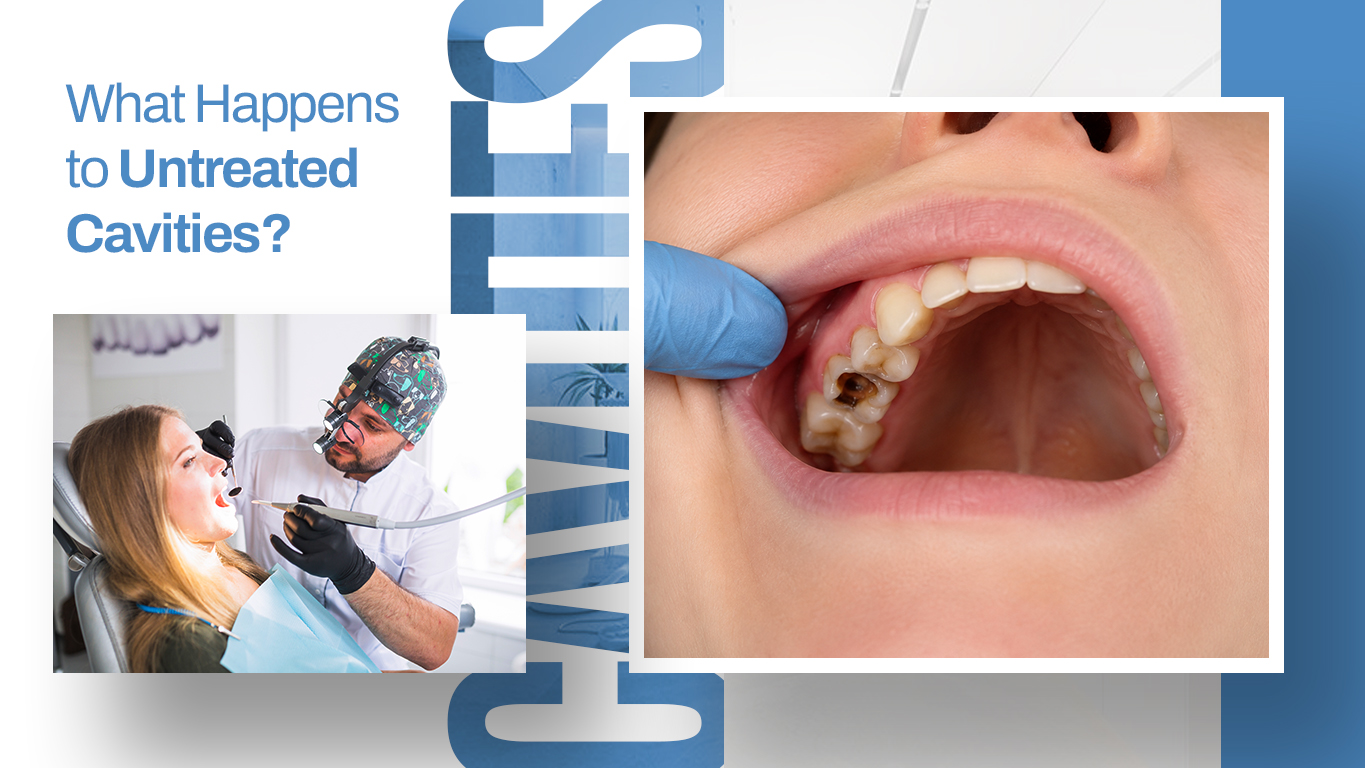
A small cavity may be something that you can easily overlook, particularly when there is no pain. If you’re wondering what happens to untreated cavities, it’s important to know that the consequences of cavities that are not treated can be unpleasant — the problem only worsens as time goes on. Understanding the risks can help you decide to act before a minor problem becomes a major one.
What is the cause of cavities in teeth?
Cavities develop when the food or sugars and starches found in your mouth are consumed by bacteria that create acids that gradually dissolve the tooth’s enamel. This happens because of improper hygiene practices, snacking, sugary beverages and dry mouth. That erosion forms a hole (cavity) which will continue to get bigger if not treated over time.
Is It Ok to Leave a Cavity Untreated?
Many will ask: If the cavity is not causing pain, can it be left untreated? No, cavities do not heal on their own and untreated cavities will progress to the deeper more sensitive parts of the tooth. A minor issue may escalate to be a significant dental crisis.
What’s the downside of ignoring a cavity?
- More pain and sensitivity – When decay progresses to the dentin and the nerves, everyday activities become uncomfortable: eating or drinking hot and cold food.
- Infection and Abscess – When cavities in the teeth become a problem, they can result in an abscessed tooth, which is a pocket of infection in the tooth that can extend to the jaw, face or bloodstream.
- Tooth loss – If left untreated for too long, decay can eat away the structure of a tooth and tooth removal may be necessary.
- Spreads decay – Decay between teeth can grow silently in the tooth before it’s detected when brushing and spreads to neighbouring teeth. Bad cavity teeth can become more difficult to treat when decay continues to spread without proper dental care.
How to Remove a Cavity from Teeth
If you’re wondering how to remove a cavity from teeth, it’s actually quite simple. Unfortunately, this can’t be done safely at home. The decayed section of the tooth will be removed and the tooth will be restored using a durable material that will restore the tooth’s shape and function. If the cavity is extensive, a crown might be required and if the cavity has spread to the nerve a root canal could be needed.
How To Prevent Cavities in Teeth
- Brushing twice a day with fluoride toothpaste.
- Floss your teeth every day, particularly between the gaps of your teeth, where cavities tend to develop.
- Limit sugary and acidic foods and drinks
- Hydrate well, to moisten the mouth
- Get regular dental visits for check-ups and cleaning
Conclusion
Tooth cavities will not remain small — if left untreated they will cause pain, infection, and even tooth loss. It is always simpler, quicker, and cheaper to deal with the consequences of decay earlier than to catch it later.
Springvale Dental Clinic is here to help. Our experienced team offers thorough exams, gentle fillings, and personalised prevention advice to keep your smile healthy for years to come. Schedule your visit to Springvale Dental Clinic today and start your journey to healthier, cavity-free teeth.